Grade 4

Active for life

Active for Life logo

Lesson plans and resources for developing physical literacy. 

Kindergarten Program & Ontario Health and Physical Education Curriculum Expectations (2019):

  • JK/SK:
    • 2.2 - Demonstrate a willingness to try new experiences
    • 6.1 - Demonstrate an understanding of the effects of healthy, active living on the mind and body
    • 6.5 - Discuss and demonstrate in play what makes them happy and unhappy, and why
    • 7 - Participate actively and regularly in a variety of activities that require the application of movement concepts
    • 8 - Develop movement skills and concepts as they use their growing bodies to move in a variety of ways and in a variety of contexts
  • Grades 1, 2 & 3:
    • B1 - Participate actively and regularly in a wide variety of physical activities, and demonstrate an understanding of how physical activity can be incorporated into their daily lives;
    • B2 - Demonstrate an understanding of the importance of being physically active, and apply physical fitness concepts and practices that contribute to healthy, active living.
    • B3 - Demonstrate responsibility for their own safety and the safety of others as they participate in physical activities.
    • C1 - Perform movement skills, demonstrating an understanding of the basic requirements of the skills and applying movement concepts as appropriate, as they engage in a variety of physical activities;
    • C2 - Apply movement strategies appropriately, demonstrating an understanding of the components of a variety of physical activities, in order to enhance their ability to participate successfully in those activities.

RoadSMARTS E-cademy (by Ottawa Safety Council)
RoadSMARTS Logo

RoadSMARTS E-cademy, from the Ottawa Safety Council, is a free online resource for educators teaching pedestrian and cycling safety to students from JK to Grade 6. Interactive lessons help students build safe habits and prevent injuries. Each course takes 20 to 40 minutes, making it easy to integrate into the classroom.


Looking for more?

Additional resources that are not grade-specific but still appropriate for this grade can be found in the Additional Resources section.
All About Food Allergy Program 

Screenshot of the All About Food Allergy program

This program by Food Allergy Canada provides educators with a comprehensive overview of food allergy and anaphylaxis, and how to be a food allergy ally. Includes modules, guides, activities, assessments resources and guided learning experiences. 

Ontario Health and Physical Education Curriculum Expectations (2019) 

  • D1.1 – Nutrients
  • D1.3 - Bullying, abuse, and non-consensual behaviour
  • D2.1 - Personal eating habits
  • D2.2 - Decision making – assessing risk
  • D2.5 - Healthy choices to support mental health
  • D3.1 - Healthier eating in various settings
  • D3.3 - Stress management (cognitive, behavioural)

The All About Food Allergy program is designed with cross-curricular integration in mind so that the program is an easy, ready-to-use resource that checks off multiple learning standard requirements. By choosing to teach all four modules within this program, many multi-disciplinary outcomes will be met.

Curriculum links provides additional details on curriculum objectives addressed in this program, by grade level and region.


Looking for more?

Additional resources that are not grade-specific but still appropriate for this grade can be found in the Additional Resources section.

Dental Health Education Module

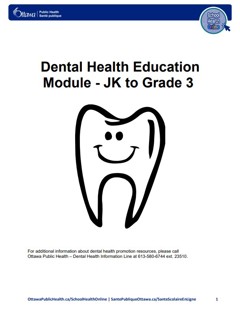
Screenshot of the module

This module has been developed by Ottawa Public Health to increase dental health education within school communities. Inside this resource, you will find lesson plans as well as extension activities that aim to increase knowledge of proper dental health. 

Dental health is an indicator of many other health related behaviours such as personal care and nutritional habits. By increasing knowledge of healthy dental habits, we hope to influence positive changes in the overall health of children in our communities. 

Kindergarten Program & Ontario Health and Physical Education Curriculum Expectations (2019):

  • JK/SK:
    • 6.2 – Investigate the benefits of nutritious foods (e.g., nutritious snacks, healthy meals, foods from various cultures) and explore ways of ensuring healthy eating (e.g., choosing nutritious food for meals and snacks, avoiding foods to which they are allergic)
    • 6.3 - Practice and discuss appropriate personal hygiene that promotes personal, family, and community health
  • Grade 1:
    • D1.1 - Food for healthy bodies and minds
    • D2.5 - Hygienic procedures
  • Grade 2:
    • D1.5 - Body appreciation
    • D2.2 - Food choices (snacks, meals)
    • D2.4 - Oral health
  • Grade 3:
    • D2.1 - Oral health, food choices 

Looking for more?

Additional resources that are not grade-specific but still appropriate for this grade can be found in the Additional Resources section.

BrightBites

BrightBites logo

BrightBites.ca is a trusted, evidence-based website created by Ontario Dietitians in Public Health. It’s designed to help educators create a positive, inclusive school environment where students can develop healthy relationships with food and their bodies.

Explore:

  • Curriculum-aligned activities for Grades K–12
  • Ideas and tools to create supportive school food environments
  • Practical guides for navigating sensitive situations with care 

BrightBites empowers you to talk positively about food, promote body inclusivity, and respect the roles of families, educators, and students in eating. Whether you're planning a lesson or leading a school initiative, BrightBites is here to support you.

Watch our “Welcome to BrightBites!” video to learn more about this resource and download this one-page overview of BrightBites to share with your school community! 

Ontario Health and Physical Education Curriculum Expectations (2019) 

  • D1.1 - Nutrients
  • D2.1 - Personal eating habits
  • D3.1 - Healthier eating in various settings

Freggie Tales

Freggie Tales logo

Freggie Tales is a children’s program to encourage consumption of fresh fruits and vegetables. Includes lesson plans and interactive online games for students.

Ontario Health and Physical Education Curriculum Expectations (2019):

  • D1.1 - Nutrients
  • D2.1 - Personal eating habits
  • D3.1 - Healthier eating in various settings

Media Smarts: Food Marketing

Media Smarts logo

The Media Smarts Food Marketing lesson plans and resources were created for teachers to educate students on understanding food advertising and how this may influence their food choices.

Ontario Health and Physical Education Curriculum Expectations (2019): 

  • D1.1 - Nutrients
  • D2.1 - Personal eating habits
  • D3.1 - Healthier eating in various settings 

Teaching Canada's Food Guide

Logo Teaching Canada's Food Guide

This toolkit for educators was developed to support intermediaries in activities with children to help them learn food skills, develop healthy eating patterns and to understand Canada’s Food Guide.

The activities for children aged 9 to 11 years old will help them learn to identify different cooking methods, about foods that are part of different cultures and traditions and to practice eating thoughtfully and making eating enjoyable.


Looking for more?

Additional resources that are not grade-specific but still appropriate for this grade can be found in the Additional Resources section.

Human Development and Sexual Health Lessons

Preview of the slideshow

This new resource supports educators with engaging, interactive lessons tailored to meet curriculum needs. Designed to empower educators, it includes comprehensive, ready-to-use materials that foster meaningful classroom discussions and support diverse learners. Each lesson includes activities, reference documents, and a Google Slides presentation with vibrant images and visuals to capture students' attention. These resources make teaching easier and more inclusive, ensuring all students feel supported and engaged.   

Lessons:

Supporting documents:

Ontario Health and Physical Education Curriculum Expectations (2019)

  • D1.5 - Puberty – changes; emotional, social impact  
  • D2.4 - Puberty – personal hygiene and care 
  • D1.2 - Safe use of technology 
  • D1.3 - Bullying, abuse, and non-consensual behaviour* 
  • A1.4 -  healthy relationship, respect for diversity*

Looking for more?

Additional resources that are not grade-specific but still appropriate for this grade can be found in the Additional Resources section.
Healthy Transitions

Screenshot of the presentation

Healthy Transitions is a program designed to promote mental health in young adolescents while meeting expectations from the Ontario Curriculum. Through interactive activities, videos and group discussions, students will learn skills and attitudes important for positive mental health and resilience, including where and how to ask for help.   

Healthy Transitions offers two sessions for grade 4 students. Each session includes a detailed outline and directions for facilitating the session, student worksheets and optional Google Slides presentations to be used in the session.

  • Session #1: Coping with Stress
  • Session #2: Emotions and Stigma

Getting Started!

Grade 4 Facilitator Guide

Grade 4 Student Activity Sheets

Grade 4 Presentation (Google Slides) 

*These documents are intended to be used as print resources or classroom presentations and are not in an accessible format.

Ontario Health and Physical Education Curriculum Expectations (2019)

  • Grade 4:

    • D2.5 - Healthy choices to support mental health
    • D3.3 - Stress management (cognitive, behavioral)
  • Grade 5:
    • D1.1 - Supports - injury prevention, emergencies, bullying, violence
    • D2.6 - How to help others, when to seek help
    • D3.4 - Stigma awareness

PALS (Playground Activity Leaders in Schools)

Photo of PALS logo

Playground Activity Leaders in Schools (PALS) is a student leadership program for elementary schools, developed by Peel Region. It provides opportunities to help foster a sense of belonging and inclusion among students, while engaging them in physical activity in the school yard.  The program motto is “There’s always room for one more.”

Program content has been revised in 2023 to include equity and inclusion, accessibility, mental health promotion and physical activity. 

For program resources, see drop-down menu under Grade 4: Active Living.


Wayfinder

Photo of Wayfinder

The School Mental Health Ontario Wayfinder provides a clear framework for mental health learning in the classroom from kindergarten to grade 12. It includes a digital guide of lessons and activities by grade level with easy-to-follow instructions and ready-to-use communication materials to foster home-school connections. By using the Wayfinder, educators can have confidence that their approach is aligned with the Ontario curriculum, based on the latest mental health evidence and is identity-affirming and culturally responsive.  

Ontario Health and Physical Education Curriculum Expectations (2019)

* The curriculum expectations are listed within each lesson plan.  


Looking for more?

Additional resources that are not grade-specific but still appropriate for this grade can be found in the Additional Resources section.
Tobacco and Vaping

Screenshot of the presentation

This module is to be used along with the facilitator guide and provides the educator with a lesson on the general topic of tobacco, substances found in tobacco & vaping products, methods of consumption, nicotine, addiction, short-term and long-term health effects of first- and second-hand smoke. Recovery, harm reduction and stigma are also discussed.  

Ontario Health and Physical Education Curriculum Expectations (2019):

  • D1.4 - Tobacco and vaping 
  • D2.3 - Decisions about smoking and vaping 
  • D3.2 - Short- and long-term effects of smoking and vaping  

Inflating Awareness: Demonstrating the Health Impacts of Smoking (Video)

Image of lungs for Inflating Awareness video

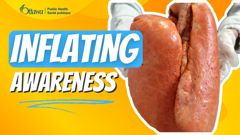
This video demonstration provides an opportunity to show students the effects of smoking on the lungs.  The video demonstration includes a pair of healthy lungs, and a pair of diseased lungs, which simulates the effects of smoking a pack of cigarettes a day for 20 years.  

Ontario Health and Physical Education Curriculum Expectations (2019):

  • D1.4 - Tobacco and vaping 
  • D2.3 - Decisions about smoking and vaping 
  • D3.2 - Short- and long-term effects of smoking and vaping  

Looking for more?

Additional resources that are not grade-specific but still appropriate for this grade can be found in the Additional Resources section.
Welcome to the new OttawaPublicHealth.ca

Ottawa Public Health has moved to a refreshed website. During this transition, some links, redirects, documents, pages or display features may be temporarily affected.

Your feedback will help us review and address issues during the stabilization period.